
Describe the property
Send the location, symptoms, equipment and access details. State whether the work is a repair, replacement or planned project.
Need plumbing help in Listowel? Tell us about the leak, blocked drain, fixture or water heater. A responding provider will confirm coverage and availability before booking.
Get A Free QuoteCompare tank and tankless options by fuel, household demand, recovery rate and existing vent or connection requirements for a Listowel replacement.
View scopeCompare snaking and hydro-jetting for the pipe and blockage, and consider camera inspection when clearing has not solved a recurring problem.
View scopeAssess visible polybutylene or galvanized pipe before comparing a single-branch replacement with a wider PEX or copper repiping plan.
View scopePlan toilet, faucet, tub and shower installation, or check pump and venting needs for a basement bathroom or second-suite rough-in.
View scopeUse leak symptoms, meter movement and pipe layout to plan investigation with pressure isolation or acoustic listening where appropriate.
View scopeCompare sump pump capacity with drainage demand and lift, and review discharge, check valve and battery backup requirements.
View scopeUse water-test results and household demand to compare softener capacity, regeneration method, filtration stages and operating costs.
View scopeWater treatment for a Listowel property should follow water-test results and actual household use, rather than assumptions based on its location. If the property uses a well, arrange appropriate testing and keep the results, including hardness and iron measurements, for comparing treatment options. Note daily water use, occupants, bathrooms and any barn or outdoor tap demand. Ask how a softener’s capacity and regeneration method are selected, and how filtration stages are sequenced for the measured conditions. This information affects both equipment choice and ongoing operating costs.
Compare tank and tankless options by fuel, household demand, recovery rate and existing vent or connection requirements for a Listowel replacement. Compare snaking and hydro-jetting for the pipe and blockage, and consider camera inspection when clearing has not solved a recurring problem. Assess visible polybutylene or galvanized pipe before comparing a single-branch replacement with a wider PEX or copper repiping plan.
Plan toilet, faucet, tub and shower installation, or check pump and venting needs for a basement bathroom or second-suite rough-in. Use leak symptoms, meter movement and pipe layout to plan investigation with pressure isolation or acoustic listening where appropriate.
Compare sump pump capacity with drainage demand and lift, and review discharge, check valve and battery backup requirements. Use water-test results and household demand to compare softener capacity, regeneration method, filtration stages and operating costs.
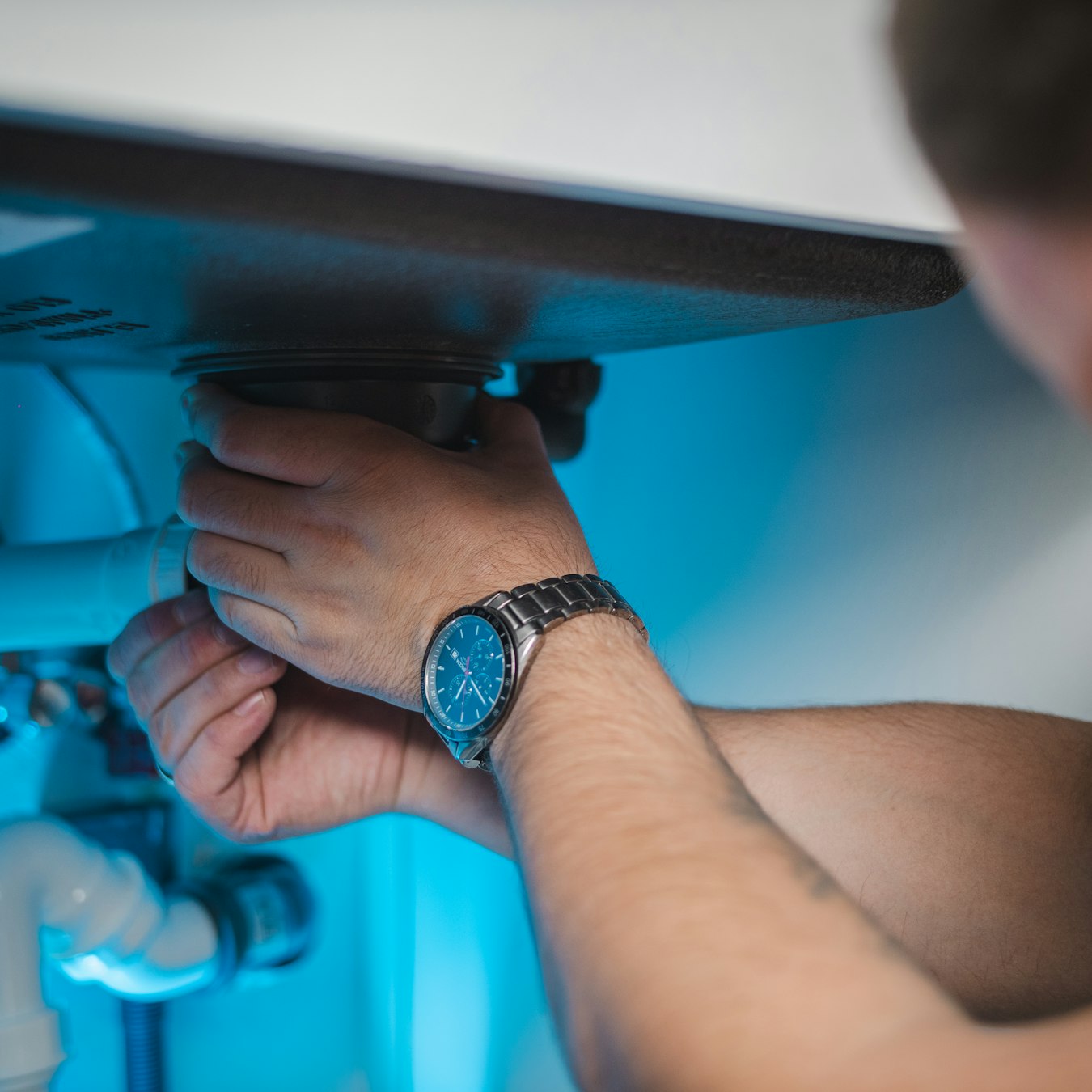
A slow sink, recurring floor-drain backup or blockage in a long run to a septic system can require different clearing methods. For a drain-cleaning project in Listowel, note which fixtures are affected, when the problem occurs and whether previous clearing provided lasting relief. A mechanical snake may open a blockage; hydro-jetting may be considered where pipe condition and the obstruction make it appropriate. For repeat problems, ask whether a camera inspection can help identify the cause before repair options are compared.
Explore this serviceSend the location, symptoms, equipment and access details. State whether the work is a repair, replacement or planned project.
The request is reviewed so the responding provider can clarify the work, property access and service coverage.
Agree the provider identity, qualifications, written scope, pricing and visit window directly. Sending a form does not confirm an appointment.
If visible pipe appears to be polybutylene, photograph its markings and fittings and ask for the material to be confirmed. Scope should consider connected plastic fittings as well as the pipe itself. Compare a targeted replacement with broader removal, and ask how proposed PEX or copper connections will be pressure-tested. The verified material and access conditions affect the work.
List regular occupants, bathrooms, water-using appliances and any separate barn or outdoor taps before comparing capacity. If a basement finish or additional bathroom is planned, include that future demand in the discussion. Ask how measured hardness and expected gallons per day affect the proposed softener size; insufficient capacity can change regeneration needs and system performance.
If a long drain run connects to a septic tank or field, identify the route and any known access points before work is scoped. Ask how the clearing method will account for the line and septic system, and whether a camera can help locate the issue. This information can affect equipment choice and the extent of work needed.
List the number of regular occupants and note when showers, laundry and other hot-water uses overlap. Compare the proposed unit’s capacity and recovery rate against that pattern, rather than choosing by the old tank’s size alone. A planned bathroom addition or other new use may also change the equipment required.
If a bathroom is below the building’s drainage level, ask how wastewater will reach the sewer or septic connection. A sewage pit or pump, discharge route and venting may be required depending on the layout. Share a floor plan and note existing access points; these details affect equipment, rough-in locations and the amount of work.
Use the form to describe the property, the symptoms and the work requested. For Palmerston, Atwood, Monkton, Moorefield, include your postal code so local coverage can be checked.
If your location is not listed, include its postal code with the requested work. Coverage, travel arrangements and scheduling must be confirmed directly with the provider.